


Beyond medicine: how donors help patients reclaim joy
West Park’s adaptive gaming and recreation programs transform patient recovery
Rachel Armstrong sits in her wheelchair, hands positioned on small controllers, ready to race. A button on her headrest allows her to steer with a tap of her head. Within moments, she’s navigating the twists and turns of Mario Kart, often placing in the top three.
For Armstrong, an inpatient at UHN’s West Park since 2019 with very limited hand mobility, adaptive gaming opened more than just a recreational outlet. “I’m sort of an introvert,” she says. “When I first came to West Park, I thought ‘I don’t know if I want to do all these activities.’ But then they asked about video games and I said, ‘okay I’ll do that.’ And then I just started joining in other programs.”
Armstrong’s experience illustrates something essential: Rehabilitation extends far beyond traditional therapy. At West Park, a rich array of recreation and therapeutic programs — made possible through donor generosity — helps patients reconnect with life’s pleasures and rebuild confidence.
The range of programs is remarkable. The Adaptive Gaming Program, generously supported by Scotiabank, uses customized setups created by West Park’s Biomedical Engineering Service to enable patients of all abilities to play videogames. Karl Paitz, a patient with ALS, sums up participants’ feelings: “I know I can speak for everyone, that everybody is very, very grateful for the program.”
In the Happy Chefs program, 20 patients participate weekly, learning to cook again — a top recovery goal for many. The results speak volumes: Participants report a 40% increase in confidence in daily living activities. For patients, cooking represents independence, the ability to care for family and a return to normalcy.
Daiva Zemaitis.
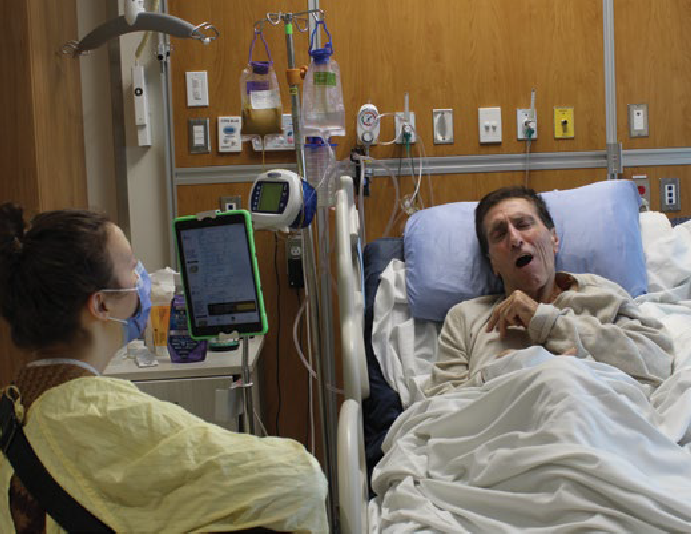
Music therapy sessions help patients like Guy DiProspero, who lives with dystonia, manage pain and find moments of peace. “Music therapy brings memories back. It calms him down,” says his wife, Sandra. “It’s good for his soul.”
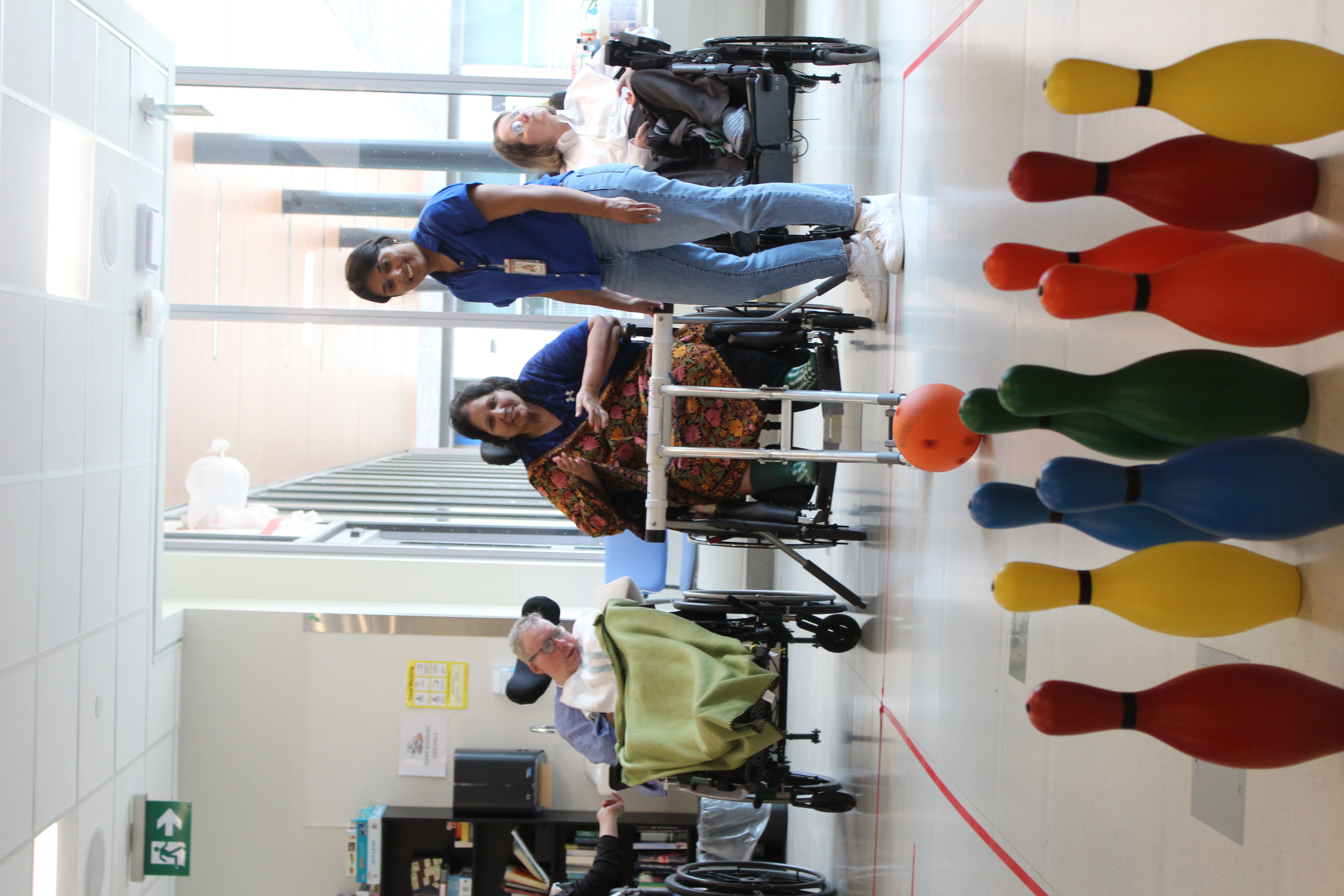
Beyond these cornerstone programs, patients enjoy bowling, movie nights, art workshops and community excursions — all contributing to quality of life and social connection.
While core therapies receive government funding, it’s donor support that enables West Park to offer this breadth and quality of enrichment programming. This is particularly vital for complex care patients who call West Park home.
“The gaming program helped me get to know my fellow patients and feel comfortable exploring other programs,” Armstrong says. “Now I’m coming together with people who enjoy the same things I do.”
Thanks to donor generosity, West Park continues to expand programs that help patients do more than recover physically — they help patients reclaim joy, build community and truly get their lives back.